The Art of Minimalism: The Differences Between Scandinavian and Japandi Design

The Art of Minimalism: The Differences Between Scandinavian and Japandi Design

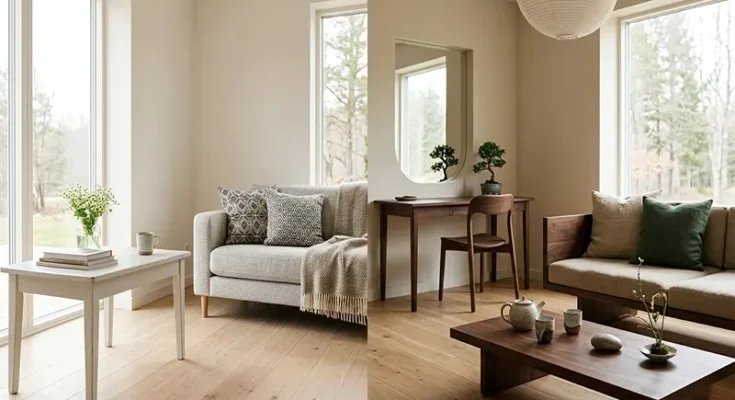
Minimalism is often unfairly labeled as cold or sterile, but in the world of interior design, two styles have consistently proven that simplicity is the gateway to profound comfort: Scandinavian and Japandi. At a glance, they may appear interchangeable. Both prioritize clean lines, functional spaces, and a deep respect for natural materials. However, beneath the surface, they are driven by vastly different philosophies. Understanding these nuances is the key to creating a home that doesn’t just look curated, but feels emotionally resonant.

Philosophical Roots: Hygge vs. Wabi-Sabi

To understand the difference between the two, we must look at their origins.

Scandinavian Design is a response to the harsh, dark Nordic winters. It is defined by hygge—a concept that centers on coziness, contentment, and the necessity of creating a warm sanctuary against the elements. It is an aesthetic of optimism, designed to maximize natural light and ensure that every piece …

The Art of Minimalism: The Differences Between Scandinavian and Japandi Design Read More
Modern Luxury Interior Design Trends for Living Rooms 2026

Modern Luxury Interior Design Trends for Living Rooms 2026

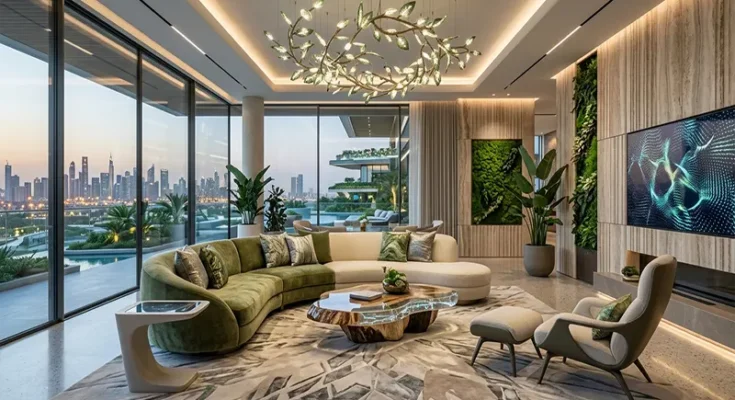
In 2026, the definition of luxury has undergone a profound transformation. We have moved far beyond the era of “conspicuous consumption,” where wealth was signaled by gold leaf, ornate molding, and mass-produced high-end furniture. Today, true luxury is defined by intentionality, sensory experience, and the seamless integration of wellness into our daily environments. The modern luxury living room is no longer a formal showpiece meant to be admired from a distance; it is a sophisticated sanctuary—a private retreat that balances high-tech innovation with a deep, soulful connection to the organic world.

As we look at the trends defining high-end interiors this year, the common thread is the pursuit of “quiet luxury”—design that feels effortless, deeply comfortable, and timelessly curated.

The Four Pillars of Luxury in 2026

To understand the trajectory of modern luxury, one must look at how we are reimagining the materials, technology, and art that fill our most …

Modern Luxury Interior Design Trends for Living Rooms 2026 Read More
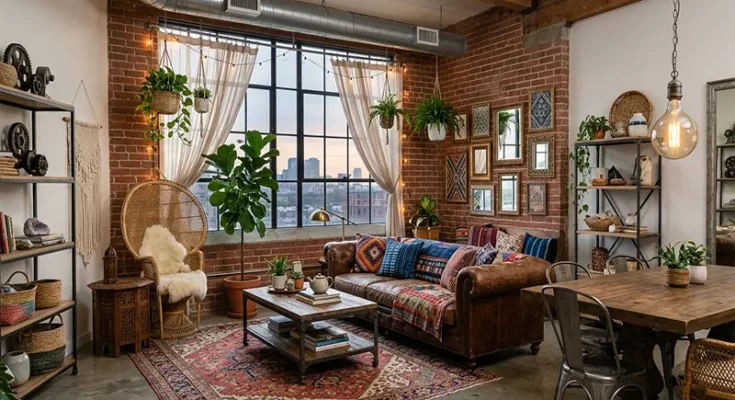
How to Mix Bohemian and Industrial Interior Design Styles

How to Mix Bohemian and Industrial Interior Design Styles

Interior design is often treated as a search for a single, unified aesthetic, but the most compelling homes are rarely found within the confines of one “rulebook.” One of the most dynamic design combinations emerging today is the synthesis of Industrial and Bohemian styles. At first glance, they seem like opposites: Industrial is defined by cold metal, rigid lines, and raw, unfinished surfaces, while Bohemianism celebrates fluidity, warmth, maximalist patterns, and artisanal soul.

However, it is precisely this tension that makes the “Boho-Industrial” aesthetic work. By pairing the sharp, structural edge of an industrial loft with the soft, inviting layers of a nomad’s haven, you create a space that feels both grounded and spirited—a home that is structured, yet deeply personal.

The Design Philosophy: Finding the Balance

The secret to blending these two styles lies in a “Hard vs. Soft” framework. Industrial elements act as your skeleton, while Bohemian pieces …

How to Mix Bohemian and Industrial Interior Design Styles Read More
Best Minimalist Interior Design Styles for Small Apartments

Best Minimalist Interior Design Styles for Small Apartments

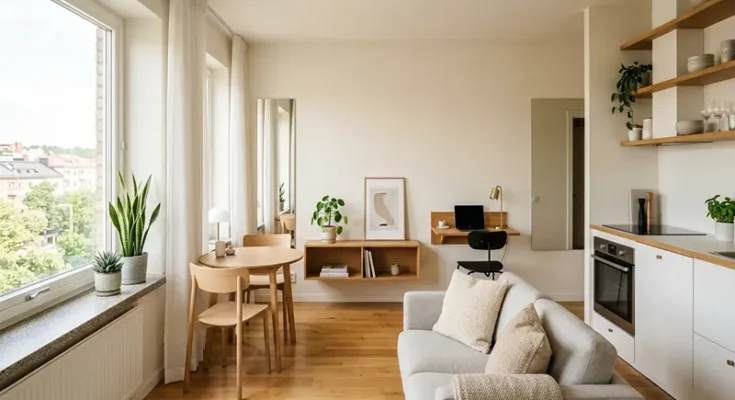
Minimalism is often misunderstood as a cold or empty aesthetic, but in the context of small-apartment living, it is a masterclass in intentionality. For those navigating the constraints of urban square footage, minimalism is not about sacrifice; it is about subtraction. By stripping away visual noise and focusing on what is truly essential, you can transform a cramped apartment into a sanctuary that feels expansive, breathable, and deeply purposeful.

The Power of Minimalist Living

In a compact home, every square inch carries weight. Traditional design often crowds these spaces with redundant furniture and excessive decor, which can make a home feel claustrophobic. Minimalism combats this by prioritizing negative space—the empty areas that allow the eye to rest. By choosing high-quality, functional pieces over volume, you regain control over your environment, reducing the cognitive load of clutter and creating a living space that serves your well-being.

Three Core Minimalist Styles

Best Minimalist Interior Design Styles for Small Apartments Read More
Mastering Open Spaces: The Best Functional Minimalist Furniture for Open Floor Plans

Mastering Open Spaces: The Best Functional Minimalist Furniture for Open Floor Plans

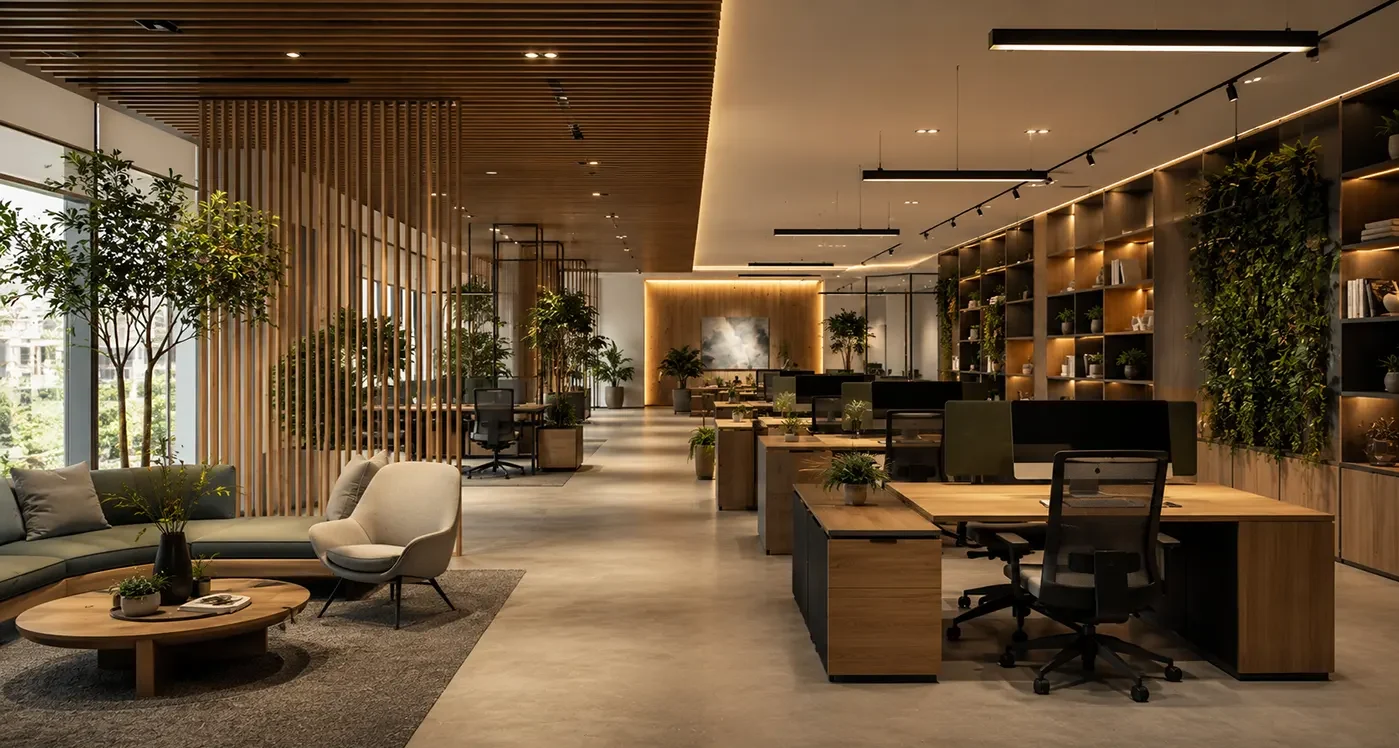
Open floor plans are celebrated for their airy feel, abundant light, and seamless flow, yet they present a unique challenge: how to define zones and maintain cohesion without clutter. The answer lies in functional minimalist furniture. This style isn’t just about aesthetics; it’s about intelligent design that serves multiple purposes, respects visual space, and contributes to a calm, uncluttered environment – perfectly suited for the expansive nature of an open layout.

The Principles of Functional Minimalism for Open Plans

Before diving into specific pieces, understand the core tenets:

  1. Multi-Functionality: Pieces that serve more than one purpose are invaluable (e.g., an ottoman with storage, a console that doubles as a desk).
  2. Clean Lines & Simple Forms: Avoid ornate details. Straight lines, gentle curves, and unadorned shapes keep the visual noise to a minimum.
  3. Neutral Color Palette: Whites, grays, blacks, and natural wood tones create a cohesive look that doesn’t overwhelm
Mastering Open Spaces: The Best Functional Minimalist Furniture for Open Floor Plans Read More