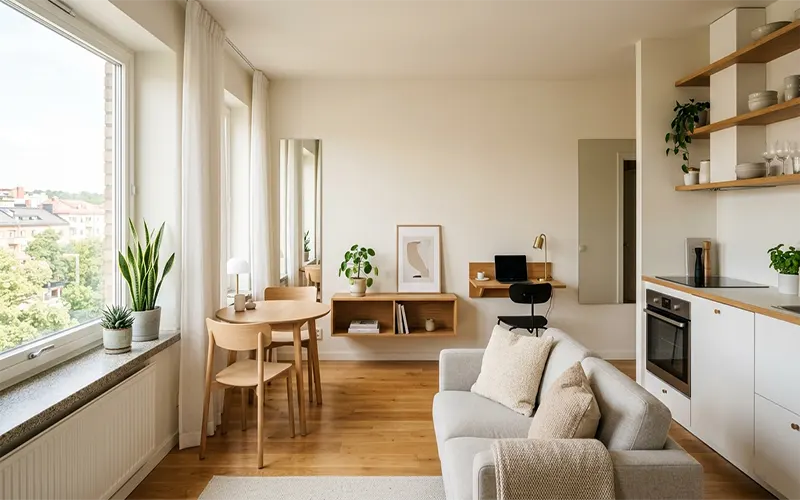
Minimalism is often misunderstood as a cold or empty aesthetic, but in the context of small-apartment living, it is a masterclass in intentionality. For those navigating the constraints of urban square footage, minimalism is not about sacrifice; it is about subtraction. By stripping away visual noise and focusing on what is truly essential, you can transform a cramped apartment into a sanctuary that feels expansive, breathable, and deeply purposeful.
The Power of Minimalist Living
In a compact home, every square inch carries weight. Traditional design often crowds these spaces with redundant furniture and excessive decor, which can make a home feel claustrophobic. Minimalism combats this by prioritizing negative space—the empty areas that allow the eye to rest. By choosing high-quality, functional pieces over volume, you regain control over your environment, reducing the cognitive load of clutter and creating a living space that serves your well-being.
Three Core Minimalist Styles for Small Spaces
While the philosophy remains the same, the application varies. Here are three distinct ways to achieve a minimalist look that is tailored to apartment living.
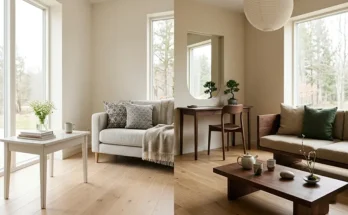
1. Scandi-Minimalism: The Art of Hygge
Rooted in Nordic design, this style is arguably the most popular for small apartments because it marries functionality with warmth.
- The Approach: It leans heavily on “Hygge”—the concept of cozy contentment. While the base is minimalist, the execution is soft.
- Key Elements: Think light wood tones (ash, pine, or oak), a neutral palette of creams and soft greys, and tactile textiles like wool or linen.
- Small Space Benefit: The light color palette naturally reflects light, making a small room feel airier. Multi-purpose furniture—like a coffee table with built-in storage—is a hallmark of this style, ensuring every piece works twice as hard.
2. Japandi: Where East Meets West
Japandi is a sophisticated fusion of Japanese rustic minimalism and Scandinavian functionality. It is the perfect antidote to the “sterile” version of minimalism.
- The Approach: It emphasizes natural, organic forms. While Scandi-minimalism is clean and bright, Japandi introduces deeper, earthier tones and a stronger focus on texture.
- Key Elements: Low-profile furniture, bamboo or rattan accents, shoji-inspired screens or dividers, and a focus on handcrafted, imperfect objects.
- Small Space Benefit: Because Japandi prioritizes low-profile furniture (such as platform beds or low-seated sofas), it keeps the “visual weight” of the room down, effectively lowering the horizon line and making ceilings feel higher.
3. Monochromatic Modernism: Seamless Expansion
For the truly daring, Monochromatic Modernism uses a single color family—usually shades of white, beige, or soft grey—to create a unified, gallery-like space.
- The Approach: By using the same color for walls, flooring, and furniture, you blur the boundaries of the room. This “visual drenching” tricks the eye into thinking the space is continuous.
- Key Elements: High-contrast textures rather than high-contrast colors. A wool rug on a concrete floor or matte cabinetry against glossy marble provides interest without clutter.
- Small Space Benefit: This is the ultimate tool for visual expansion. Without color transitions, the eye cannot easily identify where one wall ends and the next begins, effectively “erasing” the corners of your apartment.
Pro-Tips for Practical Implementation
Even if you choose a specific style, the execution in a small apartment requires a few universal tactics:
- Verticality is Your Best Friend: When floor space is limited, look up. Install floor-to-ceiling shelving or wall-mounted cabinets. By getting items off the floor, you create a clearer path for movement, which is essential for a calm environment.
- Hidden Storage: Minimalism is difficult to maintain if you have nowhere to put your things. Invest in furniture that functions as storage: ottomans that open, beds with drawer bases, and media consoles with closed fronts. If you can’t see the clutter, it isn’t cluttering the aesthetic.
- Lighting as Architecture: Never underestimate the power of lighting. Avoid bulky lamps that take up precious surface area; instead, use wall sconces or track lighting. Using sheer window treatments instead of heavy drapes will flood your apartment with natural light, which is the cheapest and most effective way to make a small room feel large.
Minimalist design is ultimately a practice of curation rather than elimination. Whether you lean toward the cozy warmth of Scandi-minimalism, the organic balance of Japandi, or the seamless serenity of Monochromatic Modernism, the goal remains the same: to create a home that supports your life rather than demands your labor. In a small apartment, simplicity is the ultimate luxury—a quiet, organized space where you have the freedom to breathe.