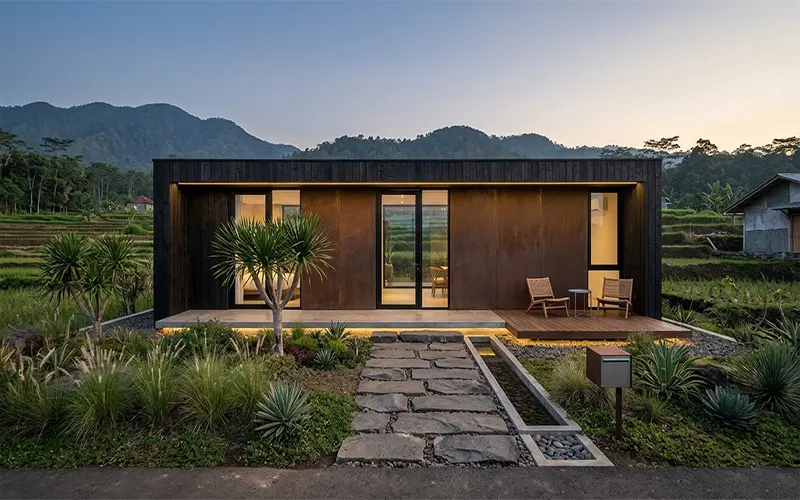
In 2026, the philosophy of “less is more” has evolved into a practical necessity for the modern homeowner. For small-home owners, minimalism is not just a style choice; it is a strategy to maximize impact while minimizing upkeep. True “low-maintenance minimalism” treats durability as the core of the aesthetic—creating a home that looks intentionally curated, remains pristine with minimal effort, and ages with grace rather than wear.
When your home has a smaller footprint, every exterior detail carries significant visual weight. Here is how to achieve a striking, high-performance exterior that frees you from the endless cycle of home maintenance.
The New Material Palette: Performance as Aesthetic
The secret to a low-maintenance exterior lies in choosing materials that perform as well as they look. Gone are the days of choosing between “beautiful wood” and “durable plastic.” Today’s engineered composites offer the warmth of nature with the resilience of modern science.
1. The Power of Engineered Composites
Fiber cement and poly-ash siding have become the industry standard for a reason. They mimic the grain and texture of cedar or wood lap siding but are essentially impervious to the rot, moisture, and pests that plague traditional timber. In 2026, the trend is toward matte finishes and dark, moody charcoal or earthy neutral tones, which offer a sophisticated, contemporary look that hides surface imperfections better than stark white.
2. Metal and Corten Steel
For the small home, metal is the ultimate “set it and forget it” material. Standing-seam aluminum or corrugated steel panels are not only incredibly durable but also provide clean, geometric lines that emphasize the home’s architecture. They are fire-resistant, fully recyclable, and require virtually no cleaning beyond the occasional rainstorm.
3. Masonry and Porcelain
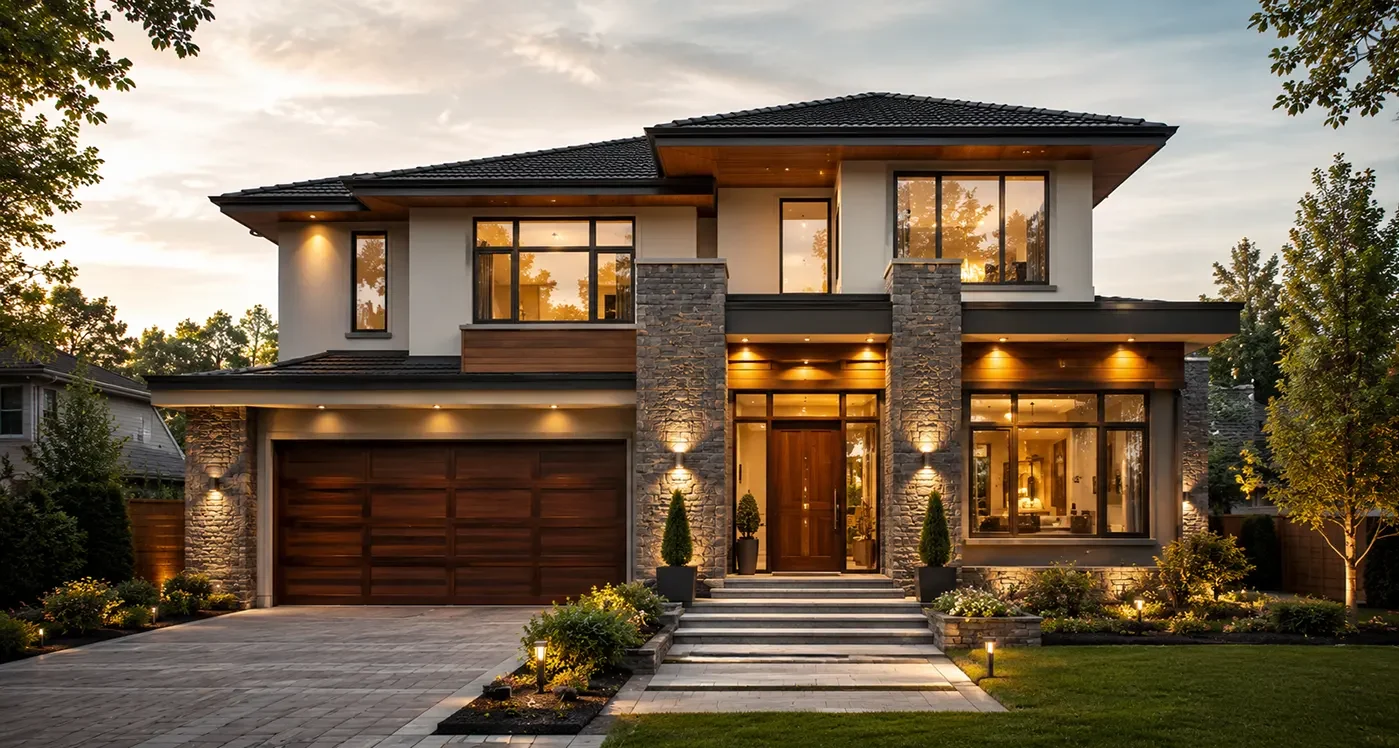
Brick and stone have long been the gold standard for “legacy” materials, but modern techniques have refined them. Limewashing brick is a dominant trend for 2026, creating a soft, European-inspired finish that looks better as it weathers. For a more modern edge, thin-profile porcelain or stone veneers can be used to add weight and texture to entryways or foundations, providing a premium, monolithic feel without the structural load or maintenance of full masonry.
4. Composite Trim: The Unsung Hero
Most exterior “failure points” occur where wood trim meets moisture. Switching to high-performance PVC or composite trim for window sills, door frames, and corners is a standard move in 2026. These materials never peel, crack, or rot, keeping your home’s “envelope” sealed and your curb appeal crisp for decades.
Design Principles for Small Footprints
In a small home, you don’t have the luxury of visual clutter. Your design should be about “monolithic uniformity”—using few materials to make the structure feel larger, taller, and more intentional.
- Monolithic Facades: Avoid mixing too many materials. A simple, continuous cladding in a single neutral shade—like a warm greige or bone-white—makes a small structure feel like a cohesive, singular sculpture rather than a collection of parts.
- Low-Slope and Flat Rooflines: Simple, low-pitched roofs are the hallmark of modern minimalism. Beyond their sleek, horizon-hugging profile, they are significantly easier to inspect and maintain than complex, multi-gabled roofs.
- The “Anti-Garden” Landscape: The 2026 approach to landscaping is about sustainability and native self-sufficiency. Replace high-maintenance, thirsty grass lawns with drought-tolerant native shrubs, mulch beds, and decorative stone. It’s an aesthetic that requires almost zero watering or trimming while supporting the local ecosystem.
Pro-Tips for a Polished Look
- The Rule of Three: Limit your exterior palette to three materials or colors. This creates a “quiet” visual experience that feels luxurious rather than busy.
- Drenching with Color: If you want a bold look, try “color drenching”—painting the siding, trim, and doors in the same monochromatic shade. It’s a bold, high-fashion move that creates depth and shadow, making a small home look surprisingly grand.
- Architectural Lighting: Instead of harsh, bright security floodlights, use low-voltage, solar-powered LED uplighting to highlight the home’s geometry at night. It adds warmth and security while keeping the exterior footprint clean and uncluttered.
Liberation Through Design
The goal of minimalist exterior design in 2026 is simple: to liberate yourself from the “work” of homeownership. By investing in materials that stand the test of time and adopting a design language that prioritizes simplicity and function, you ensure that your home remains a source of pride rather than a weekend chore list. Minimalism, in this context, is the ultimate form of self-care for the homeowner—giving you more time to enjoy your space, rather than just maintaining it.