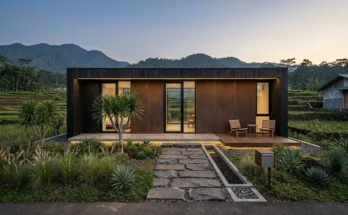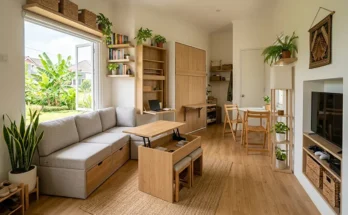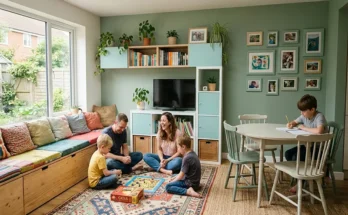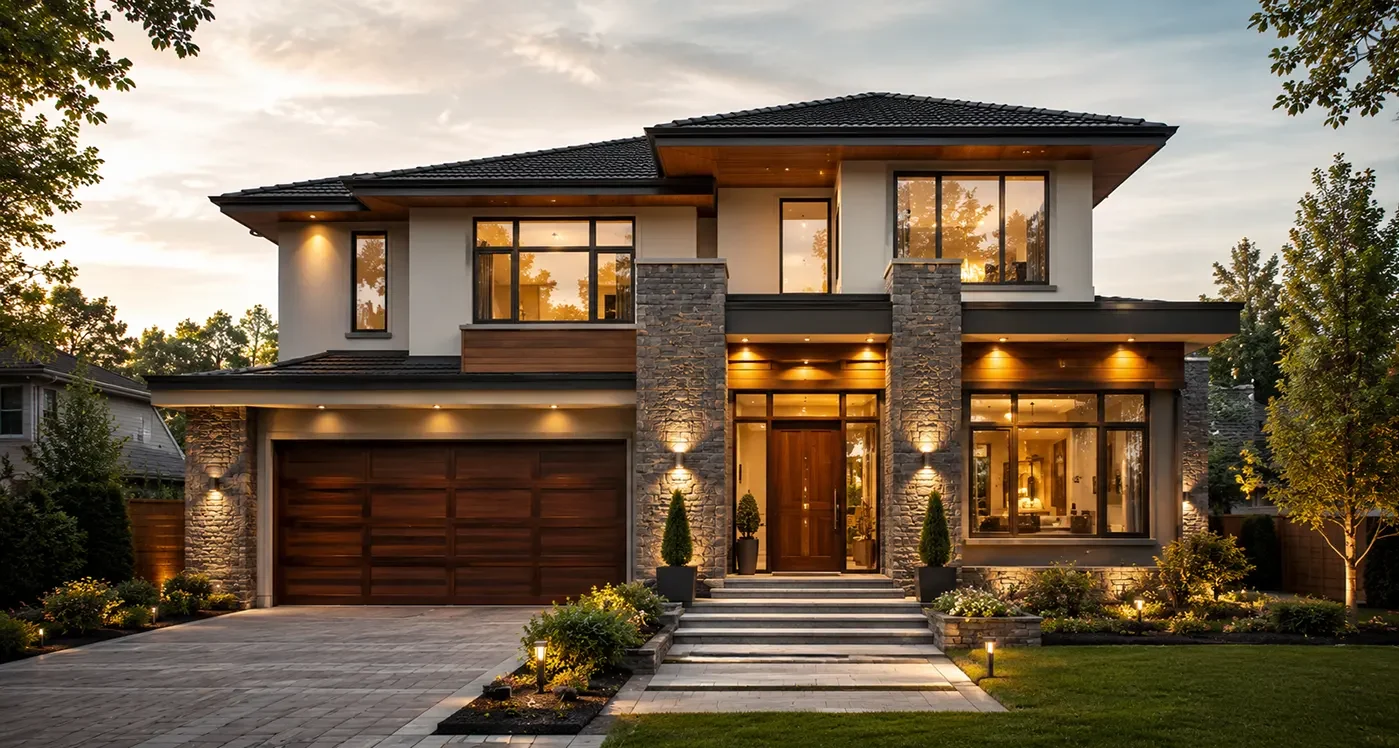
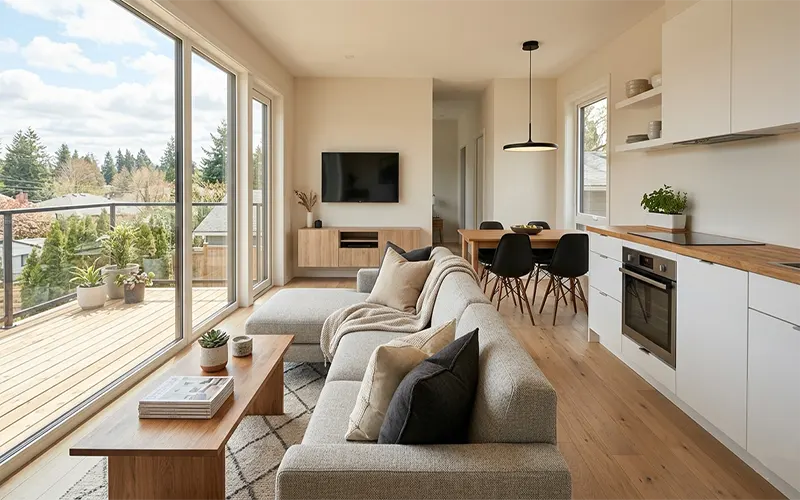
In the landscape of modern architecture, the open floor plan has moved from a luxury trend to a functional necessity for small-home living. By removing the traditional barriers that segment a house into small, isolated rooms, architects and designers can unlock the potential of a limited footprint. An open floor plan in a small home isn’t just about knocking down walls; it is about creating a sense of volume, fostering social flow, and allowing natural light to penetrate every corner of the dwelling.
The Psychological Impact of Open Space
For inhabitants of small homes, the primary design enemy is “visual friction”—the sensation that every wall and corner is closing in. Open floor plans mitigate this by creating sightlines that extend across the entire length or width of the home. This sense of openness is psychologically liberating, reducing the feeling of confinement. When a kitchen flows seamlessly into a living room, the space is no longer just a “room”; it becomes a versatile, multi-purpose environment that adapts to the rhythm of daily life.
The Four Pillars of Small-Space Open Design
Achieving a successful open-concept small home requires more than just removing partitions. It demands a deliberate approach to spatial organization.
1. Zoning Without Walls
The biggest challenge in an open space is ensuring it doesn’t feel like a vast, empty warehouse. The solution is functional zoning.
- Area Rugs: Use large, distinct rugs to anchor the living area or dining space. This provides a soft, visual boundary that signals a change in function without the need for a physical wall.
- Lighting Layers: Use different types of lighting to define zones. A dramatic pendant light over the dining table sets it apart, while recessed or ambient track lighting can define the kitchen or lounge areas.
- Ceiling Treatments: A slight drop in ceiling height or a change in texture can designate a transition zone, helping to mentally separate the kitchen from the living room.
2. The “Flow” Factor: Material Continuity
In a small footprint, consistency is the key to expansion. If you switch flooring materials every time you move from the kitchen to the living room, you visually “chop up” the floor, making the space feel smaller.
- Unified Flooring: Carry the same hardwood, tile, or concrete floor throughout the entire open space. This creates an uninterrupted plane that leads the eye toward the windows, making the room feel twice as long.
- Cohesive Palette: Maintain a consistent color scheme across all zones. Use varying shades of the same base color to create depth without introducing jarring color blocks that break up the visual flow.
3. Light as a Structural Element
Light is the most effective tool for “expanding” a room. In an open plan, you must ensure that light is shared across all zones.
- Strategic Reflections: Place large, frameless mirrors opposite major windows to bounce natural light into the deeper, darker corners of the home.
- Transparency: Replace solid doors or heavy partitions with glass-panel doors or open shelving units that allow light to pass through while still providing a subtle sense of division.
- Reflective Surfaces: Incorporate glossy countertops or polished backsplashes in the kitchen to act as secondary light sources, keeping the space bright and airy.
4. Multi-Functional Furniture
In an open floor plan, every piece of furniture must justify its presence.
- The Kitchen Island Hybrid: A well-designed kitchen island can double as a prep surface, a dining table, and a dedicated home office.
- Low-Profile Pieces: Opt for sofas and consoles with legs rather than bulky, skirted pieces. Seeing the floor underneath the furniture keeps the space from feeling “heavy” and maintains the sense of openness.
- Modular Storage: Use built-in cabinetry that runs the length of a wall to hide clutter. In an open plan, storage must be seamless; when items are tucked away, the home retains its sophisticated, architectural appeal.
The Minimalist Advantage
Open floor plans are unforgiving when it comes to clutter. Because everything is visible, an open-concept small home necessitates a “less is more” philosophy.
Pro-Tips for Maintaining the Aesthetic:
- Go Vertical: If floor space is tight, utilize wall-mounted cabinets and floating shelves to clear the floor.
- Hidden Tech: Conceal wires and media components within custom cabinetry to keep the “open” areas visually calm.
- Quality Over Quantity: Choose one bold, well-designed piece of furniture (like a statement lounge chair) rather than three smaller, mediocre pieces that just add visual noise.
Modern small home design is not about squeezing life into a miniature version of a large house; it is about redefining what a home can be. By utilizing open floor plans, you transform a limited area into a dynamic, fluid, and expansive sanctuary. Through careful zoning, consistent materials, and a commitment to minimalist curation, even the smallest footprint can feel like a grand architectural statement—a space that is perfectly scaled, incredibly efficient, and deeply aligned with the modern way of living.