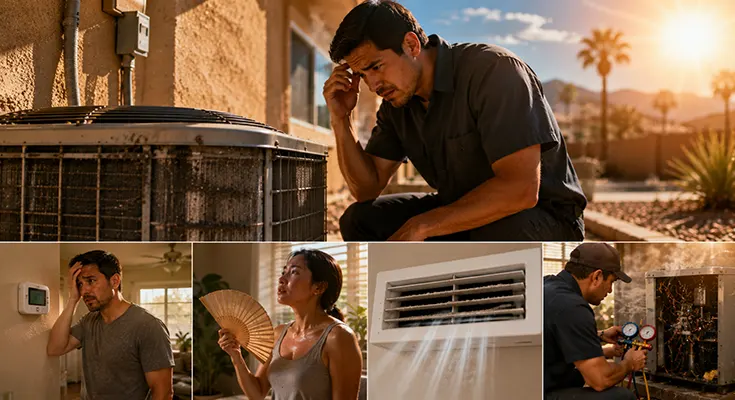
When temperatures climb into the 90s and beyond, your air conditioner can become one of the hardest-working systems in your home. While modern HVAC equipment is designed to handle hot weather, long periods of intense heat can put considerable stress on the system. Understanding how to spot the early warning signs of trouble can help homeowners address minor issues before they become expensive repairs. For households relying heavily on air conditioning for Texas summers, recognizing these signs is especially important when extreme temperatures are part of everyday life.
An air conditioner rarely fails without warning. Changes in cooling performance, unusual sounds, rising energy bills, and inconsistent temperatures can all indicate that your system is struggling. Paying attention to these changes can make it easier to maintain comfort while protecting your equipment from unnecessary wear.
Your Home Takes Longer to Cool
One of the clearest signs of AC strain is a noticeable change in how quickly your home reaches the desired temperature. If your air conditioner used to cool the house efficiently but now seems to run for hours without reaching the thermostat setting, something may be wrong.
High outdoor temperatures naturally make cooling more difficult, but an AC system should still be able to maintain a reasonable indoor temperature when properly sized and maintained. A clogged filter, dirty coils, restricted airflow, refrigerant issue, or aging component could be contributing to poor performance.
Pay attention to gradual changes rather than waiting for the system to stop working completely. A small decline in cooling performance can sometimes be addressed before it develops into a major problem.
The AC Runs Constantly
During a particularly hot afternoon, it is normal for an air conditioner to run for an extended period. However, if the system seems to run almost continuously, including during milder parts of the day, it may be under excessive strain.
Constant operation can have several possible causes. Poor insulation, air leaks, dirty filters, blocked vents, or an undersized system can all make it harder for an AC unit to maintain the thermostat setting. Mechanical problems can also force the system to work harder than it should.
Long run times do not automatically mean the equipment is failing, but a sudden or persistent change in operating patterns deserves attention.
Uneven Temperatures Around the House
Another common warning sign is a noticeable difference in temperature between rooms. One bedroom may feel comfortable while another remains hot and stuffy, even though the thermostat shows that the home has reached the desired temperature.
Uneven cooling can be caused by restricted ductwork, blocked registers, poor insulation, air leaks, or problems with the blower. In some homes, the issue may also relate to the design or sizing of the HVAC system.
Before assuming the air conditioner itself is failing, check that vents are open and unobstructed. If the problem continues, professional inspection can help identify whether the issue is related to airflow or the equipment.
Strange Sounds or New Noises
Air conditioners make some noise during normal operation, but homeowners often recognize when a familiar sound changes. Clicking, grinding, rattling, buzzing, or squealing noises can indicate that a component needs attention.
For example, a rattling sound could be caused by a loose part, while grinding may point to mechanical wear. Buzzing can have several causes, including electrical or component-related problems.
Ignoring unusual noises can allow a relatively small issue to become more serious. If your AC suddenly sounds different, it is better to investigate the change rather than assume it will disappear on its own.
Unusual Odors Coming From the Vents
A properly operating air conditioner should not produce persistent unpleasant smells. A musty odor may indicate moisture or biological growth somewhere within the system, while a burning or electrical smell can signal a more urgent issue.
Odors can sometimes come from dirty filters, accumulated debris, or moisture around the indoor equipment. However, certain smells should not be ignored, particularly if they appear suddenly or are accompanied by unusual sounds or overheating.
If you notice a strong burning smell, turn the system off and have it evaluated rather than continuing to operate it.
Rising Energy Bills Without a Major Change in Usage
Energy costs naturally fluctuate with weather and utility rates, but an unexpected increase in electricity consumption can sometimes point to declining AC efficiency.
When an air conditioner becomes less efficient, it may need to operate longer to provide the same level of cooling. Dirty components, restricted airflow, refrigerant problems, failing electrical parts, and general wear can all contribute to increased energy consumption.
Comparing your current usage with previous summers can help you identify a pattern. A single high bill does not necessarily indicate an equipment problem, but a consistent increase alongside longer run times or weaker cooling is worth investigating.
Excessive Moisture or Water Around the Unit
Air conditioning systems naturally remove moisture from indoor air, but visible water around the equipment is not something homeowners should routinely see.
A clogged condensate drain, frozen coil, damaged drain pan, or other drainage problem can result in water accumulation. In a humid, hot climate, keeping the condensate system functioning properly is particularly important because the AC may be removing significant amounts of moisture throughout the day.
Ignoring leaks can lead to water damage or create conditions that encourage mold growth. If you notice pooling water, dripping where it should not occur, or repeated moisture problems, arrange for an inspection.
Frequent Cycling Can Signal a Problem
An air conditioner should cycle on and off as needed to maintain the selected temperature. If it repeatedly starts and stops after only short periods, the behavior is known as short cycling.
Short cycling can place additional stress on the compressor and other components while preventing the system from operating efficiently. Possible causes include an oversized AC unit, thermostat problems, restricted airflow, or mechanical issues.
Because the underlying cause is not always obvious, repeated short cycling is best evaluated rather than treated as a normal response to hot weather.
How to Reduce AC Strain During Extreme Heat
Homeowners can take several simple steps to reduce unnecessary stress on their cooling system. Replacing or cleaning the air filter regularly helps maintain airflow, while keeping outdoor equipment clear of leaves, grass, and other debris allows air to move properly around the condenser.
Closing blinds or curtains during the hottest part of the day can also reduce the amount of heat entering the home. Sealing obvious air leaks and making sure supply and return vents are not blocked can further support consistent airflow.
Regular professional maintenance is equally important. An inspection can identify worn components, airflow restrictions, drainage problems, and other concerns before they become major failures.
Know When Your AC Needs Attention
Extreme heat naturally demands more from an air conditioner, but homeowners should not overlook changes in how their system behaves. Longer cooling times, constant operation, uneven temperatures, strange noises, unusual odors, rising energy bills, water leaks, and frequent cycling can all serve as early warning signs.
Recognizing these symptoms does not necessarily mean your AC needs to be replaced. In many cases, identifying a problem early can make it easier to determine the right solution and prevent further strain.
The key is to pay attention to changes rather than waiting for a complete breakdown. When your air conditioner is working hard throughout a hot season, early action can help maintain reliable indoor comfort and keep the system operating as efficiently as possible.
Conclusion
An air conditioner that works through extreme heat needs consistent attention to remain reliable and efficient. Warning signs such as constant AC operation, short cycling, uneven cooling, poor airflow, unusual sounds, water leaks, unpleasant odors, and unexpected increases in energy consumption should not be ignored. Addressing these symptoms early can help prevent minor HVAC problems from developing into costly repairs or complete system failures.
Regular air conditioning maintenance, clean filters, unobstructed vents, proper airflow, and professional HVAC inspections can all support better system performance during high-temperature weather. By recognizing AC strain early and taking practical steps to address potential problems, homeowners can maintain a more comfortable indoor environment while helping their cooling system operate efficiently throughout the hottest months.